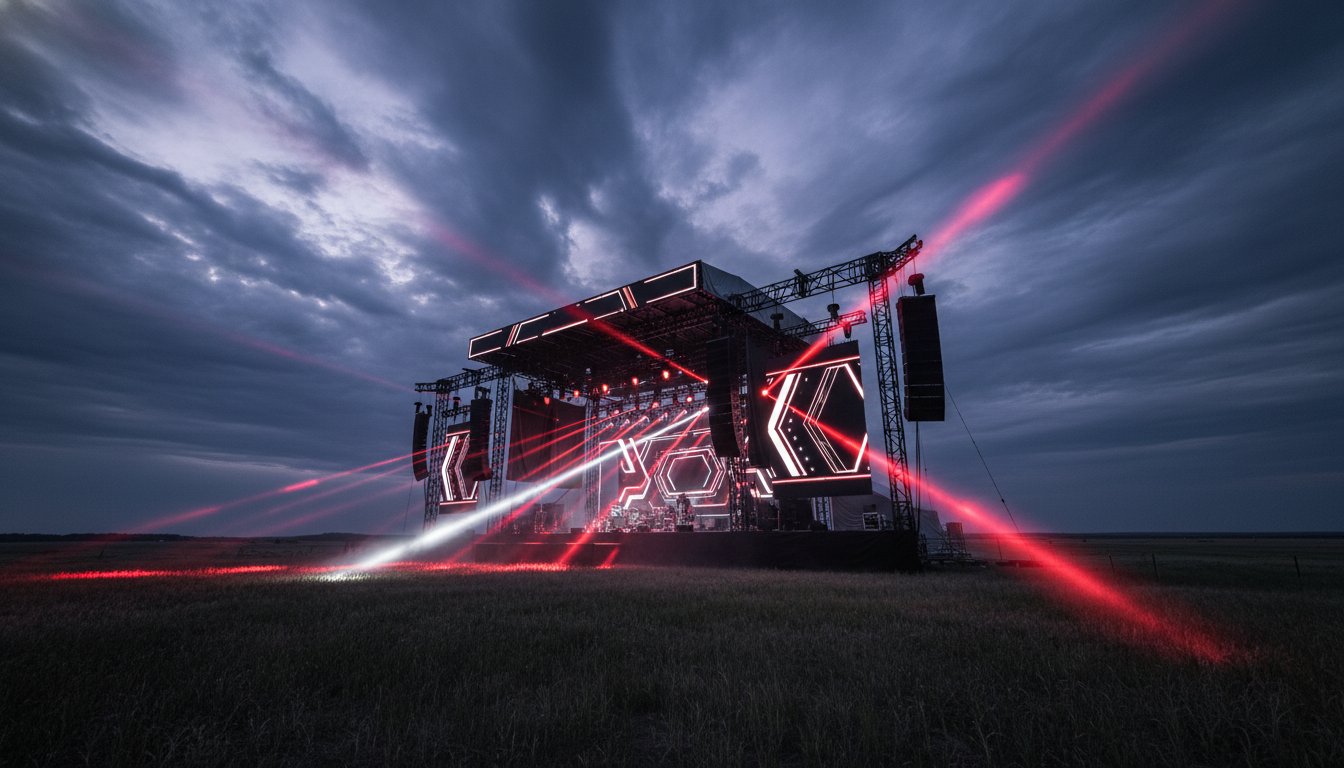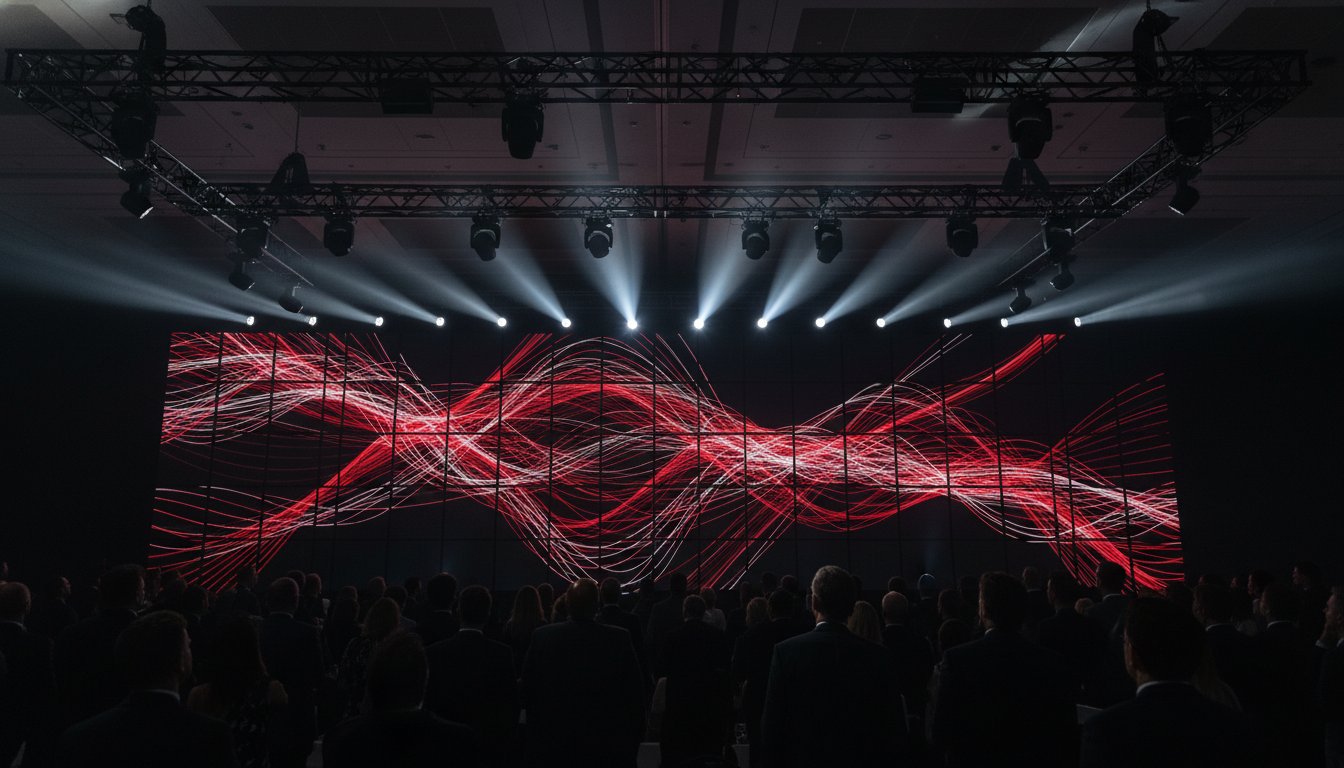
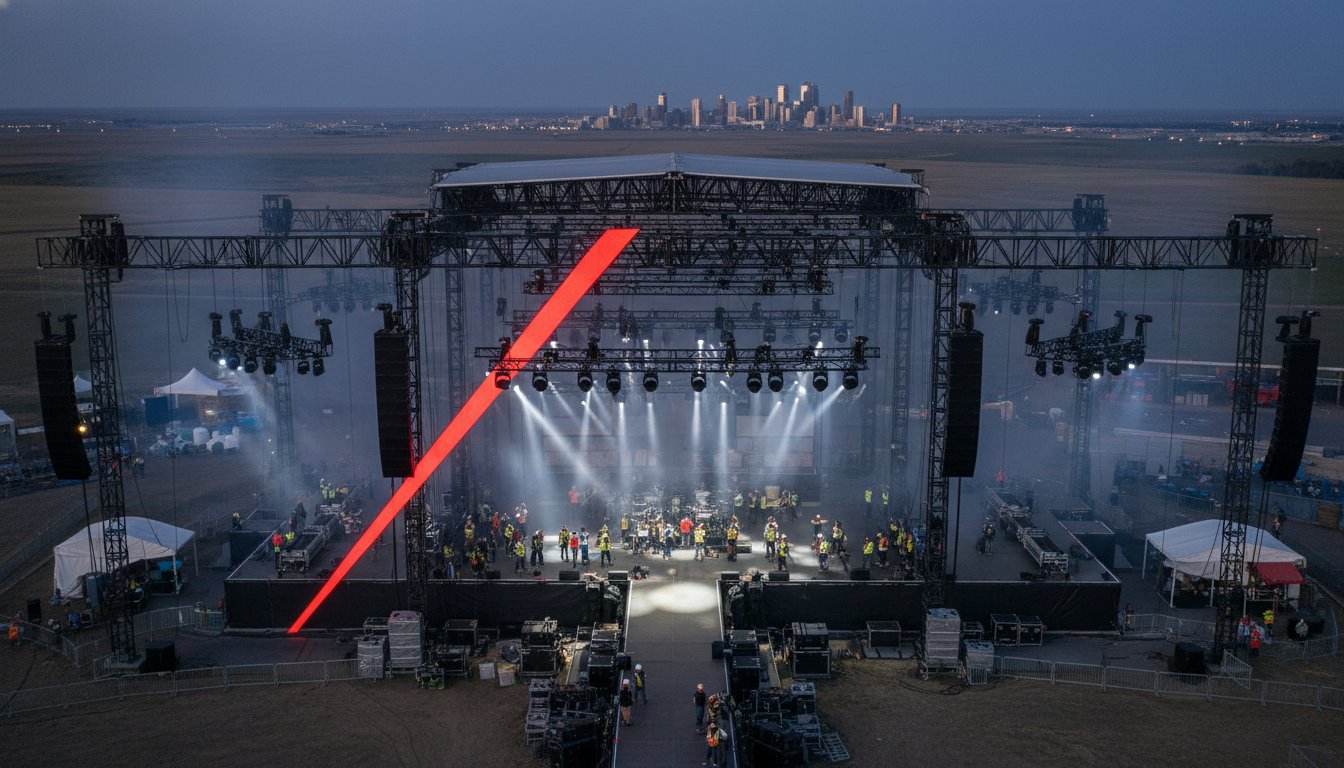
An outdoor stage isn't just a wooden platform; it's a high-performance machine that must be engineered for technical synergy and absolute safety. If you're feeling the pressure of coordinating an outdoor concert stage rental, you're likely balancing the fear of weather-related cancellations with the complex math of rigging and load capacities. It's a high-stakes environment where one overlooked detail can disrupt an entire production and compromise audience safety.
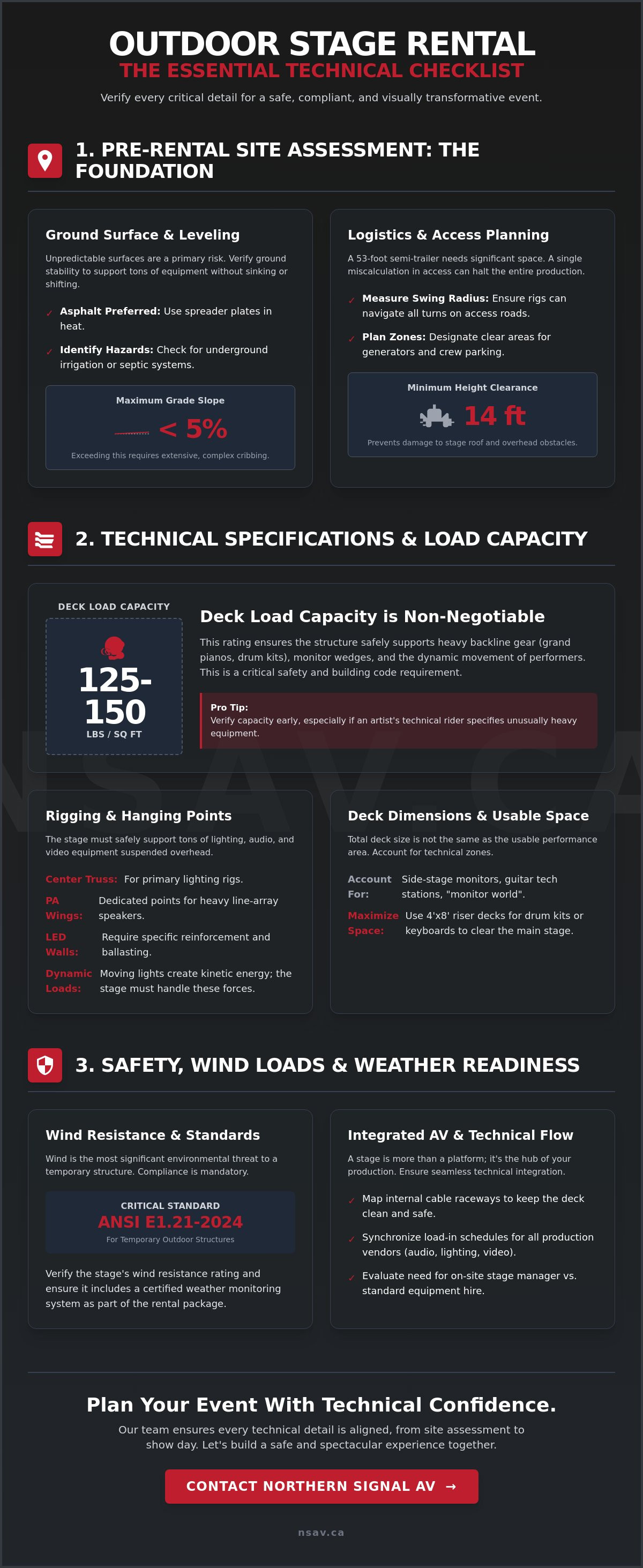
We've designed this checklist to replace that logistical stress with technical confidence. You'll learn exactly how to verify every safety and logistical detail before the first piece of equipment arrives on site. This guide covers the critical ANSI E1.21-2024 standards for temporary structures and explains how to ensure your stage supports the 125-150 pounds per square foot required by modern building codes. From navigating the latest OSHA heat-illness prevention protocols to the seamless integration of LED walls and audio systems, we'll walk you through the checkpoints necessary for a safe, compliant, and visually transformative event.
Key Takeaways
- Assess ground stability and clear access paths early to accommodate the specific logistical requirements of heavy mobile staging equipment.
- Confirm that your outdoor concert stage rental meets precise deck load and roof rigging capacities to safely house your audio and lighting arrays.
- Mitigate environmental risks by verifying wind resistance ratings and ensuring the inclusion of certified weather monitoring systems.
- Optimize technical flow by mapping internal cable raceways and synchronizing the load-in schedules for all production vendors.
- Determine the level of technical support required, evaluating the impact of an on-site stage manager versus a standard equipment hire.
Pre-Rental Site Assessment: The Foundation of Your Stage
The physical environment dictates the success of every performance. Securing an outdoor concert stage rental requires more than just picking a deck size; it requires a deep understanding of the terrain. Before signing a contract, you must evaluate the ground's ability to support tens of thousands of pounds of steel and hydraulic systems. This isn't just about finding a flat spot. It's about ensuring the venue can handle the high-pressure loads of a mobile stage without sinking or shifting during the show. Success begins long before the first truss is lifted. A site assessment isn't a formality. It's a technical necessity.
Ground Surface and Leveling Requirements
Different surfaces offer varying levels of reliability. Asphalt is generally preferred for its load-bearing capacity, but summer heat can soften the surface, requiring spreader plates under outriggers. Grass and gravel are more unpredictable. You must identify underground hazards like irrigation lines or septic tanks that could collapse under the weight of a 30-ton trailer. Precision is vital here. Most hydraulic mobile stages require a maximum grade slope of less than 5% to deploy safely. If the terrain exceeds this, you'll need extensive cribbing and leveling. This adds time and technical complexity to the build.
Logistics and Access Planning
Logistics often fail at the entrance. Professional outdoor concert stage rental providers typically use 53-foot semi-trailers that require significant maneuvering space. You must confirm a minimum height clearance of 14 feet to avoid overhead damage to the stage roof or the vehicle. Measure the swing radius at every turn to ensure a large rig won't get stuck on narrow access roads. Beyond the stage itself, your site plan should include designated zones for generator placement and clear parking for production crew vehicles.
Visibility is the currency of live events. When assessing the "front of house" (FOH) positions, consider how different types of stages impact audience sightlines from the furthest corners of the venue. Check for overhead obstructions like low-hanging tree branches or power lines that could interfere with lighting rigs. Finally, map the proximity to primary power sources. If you're using generators, place them far enough away to minimize noise interference but close enough to avoid excessive voltage drop over long cable runs. For complex setups, integrating professional production services early in the site survey ensures every technical detail aligns with the physical reality of the space.
Technical Specifications and Load Capacity Checklist
Technical specifications transform a simple platform into a professional venue. When you finalize an outdoor concert stage rental, the numbers on the spec sheet are your primary safety net. A deck load capacity of 125 to 150 pounds per square foot is the industry standard, as mandated by most modern building codes. This rating ensures the structure can support the weight of heavy backline gear, monitor wedges, and the dynamic movement of a high-energy performance. If your artist's rider calls for a grand piano or a massive drum kit, verify these limits early. You should also review how much to rent a mobile stage to ensure your technical requirements align with your financial planning.
Rigging and Hanging Points
Rigging safety is non-negotiable. You must identify the maximum weight allowed for the center-stage lighting truss and ensure dedicated points exist for line-array speaker systems. Most modern mobile stages feature "PA wings" designed specifically for heavy audio arrays. Additionally, check the capacity of these wings to support large-format LED walls. These visual displays act as massive sails in the wind, requiring specific structural reinforcement and ballast. It's critical to distinguish between a "dead hang" and a "dynamic load" rating. Moving lights and automated scenery create kinetic energy that shifts weight distribution. Your stage must be engineered to handle these fluctuations without compromising structural integrity.
Deck Dimensions and Performance Space
Usable square footage is often smaller than the total deck size. Once you account for side-stage monitors, guitar tech stations, and the essential "monitor world," the performance area shrinks rapidly. To maximize space, consider adding 4x8 riser decks for drum kits or keyboard players. This keeps the main deck clear for movement and improves visibility for the audience. Adjustable stage height is another vital feature. Being able to raise or lower the deck allows you to tailor sightlines based on the size of your crowd and the slope of the venue. For events with more than 400 square feet of deck space, remember that many regions require specific building permits.
Choosing the right configuration requires a balance of engineering and artistry. If you're unsure about the specific rigging needs for your next event, exploring professional audio visual rentals can help you match the right stage to your production goals. High-performance events demand high-performance equipment. Every rigging point and every square foot of deck space must serve the show's technical synergy.
Safety, Wind Loads, and Weather Readiness Checklist
Weather readiness is the difference between a successful performance and a catastrophic cancellation. When you secure an outdoor concert stage rental, you're hiring an engineered safety system designed to withstand unpredictable elements. Safety isn't just a checklist; it's a technical discipline. In regions like the prairies, wind isn't just a possibility; it's a certainty. You should review regional requirements in the Saskatchewan Mobile Stage Rental guide to understand how local gusts impact structural stability. Professional stages must carry a maximum wind resistance rating of at least 90 mph, with some specialized units rated up to 115 mph. This rating must be backed by engineering documentation that outlines exactly when to trigger emergency protocols.
A certified weather monitoring system should be an integral part of your rental package. It's not enough to check a weather app on a smartphone. You need on-site anemometers to track real-time wind speeds at the highest point of the structure. These sensors provide the precise data needed to make high-stakes calls. When the wind hits 40 mph, you aren't guessing; you're following a documented safety protocol that ensures the protection of your audience and equipment. Additionally, ensure your stage features a non-slip deck surface. Rain can turn a standard platform into a liability, so a high-grip finish is essential for performer safety.
Wind and Ballast Requirements
Ballast is your anchor against the elements. Depending on the stage model and ground conditions, you may need external water barrels or concrete ballasts to meet engineering specifications. Your high-wind action plan must be written and understood by every crew member. This plan details specific wind speed thresholds for striking banners or lowering the roof. All scrims and branding should be made of wind-permeable mesh. These materials allow air to pass through rather than acting like a sail, which significantly reduces the lateral force on the stage structure during a storm.
Electrical Safety and Grounding
Electricity and water are a lethal combination in an outdoor environment. All power distribution must be GFI-protected to prevent electrical shorts during unexpected rain. The entire stage structure must be properly grounded to provide a safe path for lightning protection. In remote Western Canadian locations, grounding can be challenging due to soil composition, so your technician should verify the ground rod's effectiveness on-site. To protect the audience and crew, use heavy-duty yellow jackets (cable ramps) for all ground-level cable runs. Finally, verify that your event lighting and audio systems operate on separate, clean power phases to avoid technical interference and ensure a flawless show.
Integrated AV and Lighting Logistics Checklist
A professional stage functions as a technical ecosystem, not just a static slab of wood and steel. For an outdoor concert stage rental to be successful, the physical structure must integrate perfectly with the audio and visual hardware. Coordination is the primary driver of efficiency. You must synchronize the load-in schedule between the staging, audio, and lighting crews to avoid bottlenecking at the ramp. When multiple vendors share a single workspace, a clear hierarchy of movement prevents delays. Mapping out cable paths through the stage's internal raceways early ensures a clean, trip-free performance area. To achieve this level of technical synergy, many organizers consult Northern Signal AV production services to bridge the gap between the structure and the show.
The height of the stage roof is a critical variable for audience coverage. If the roof is too low, your line-array speakers won't have the necessary elevation to reach the back of the crowd, leading to muddy sound in the rear zones. Conversely, a roof that is too high can catch more wind, complicating the safety protocols discussed earlier. Verify the availability of side-stage power drops for backline gear. Guitar technicians and keyboard players need dedicated, clean power that won't fluctuate when the lighting rig hits a high-intensity sequence. Precision in these small details creates a steady hand in high-stakes environments.
Audio Integration (FOH and Monitors)
Rigging points on the stage wings must be verified against the specific weight of your PA system. Not all wings are created equal. Some are designed for small speakers, while others can support massive arrays. Plan your sub-woofer placement carefully; under-stage placement can save floor space but may require specific deck heights, while stacking them on the ground provides a different low-end impact. Wireless signal integrity is another outdoor challenge. You must verify clear line-of-sight for microphone and IEM antennas to prevent dropouts caused by the metal stage structure itself.
Lighting and Visual Effects
Lighting requires a balance of power and placement. Check if the stage includes pre-installed lighting pipes or if you'll need to fly additional trussing. High-output LED walls and moving heads have significant power draws that must be mapped to the stage's distribution system. Environmental effects like haze or fog are notoriously difficult to manage outdoors. Plan your machine placement based on the prevailing wind direction at the venue to ensure the effect reaches the stage rather than blowing immediately into the wings. For a production that moves beyond functional descriptions to transformative experiences, consider our full range of audio visual rentals to complete your technical rider.
Ready to build a seamless technical foundation for your next event? Contact Northern Signal AV to coordinate your staging and production needs today.
The Production Partnership: Beyond the Rental
A successful event relies on the synergy between elite hardware and expert personnel. Choosing an outdoor concert stage rental provider isn't just about the steel; it's about the technical partnership that supports your vision. A "dry hire" might seem cost-effective on paper, but it shifts the burden of hydraulic operation and safety monitoring onto your team. Professional management ensures that a steady hand is always on the controls, providing the reassurance needed in high-stakes environments. You should review regional expertise in the Music Festival Stage Rental Alberta guide to navigate the specific logistical hurdles found in Western Canada. Beyond local knowledge, verify the provider's insurance coverage for public liability and equipment. Reliability is built on transparency and protection.
Technical support shouldn't end once the stage is leveled. Confirm the availability of on-site support during the event to handle any unforeseen challenges. Whether it's a sudden weather shift or a technical adjustment for a headliner, having a professional partner ensures the show continues without interruption. This commitment to resolution is what separates a simple equipment provider from a true production consultant. Precision in planning today prevents chaos tomorrow.
On-Site Technical Management
Management starts with accountability. You must identify who is responsible for hydraulic operation and roof adjustments before the first truck arrives. A dedicated technician should be present for real-time audio-visual troubleshooting, ensuring that the outdoor concert stage rental functions as a cohesive unit. Verify the crew's certification for rigging and high-altitude work. These professional credentials establish a foundation of safety and mastery that allows the performers to focus entirely on their craft. This level of Calgary event production expertise is essential for maintaining the structural and technical integrity of the venue.
Post-Event Logistics and Strike
The show isn't over until the site is restored. A safe "strike" requires a coordinated plan to dismantle the structure immediately following the final performance. This process must be efficient and orderly to minimize venue impact. Verify the site restoration requirements to ensure you leave the space in its original condition, avoiding potential fines or damage. You also need to coordinate the removal of all third-party AV and backline equipment. A streamlined strike prevents logistical bottlenecks and ensures that all high-value gear is secured and transported safely.
Every event has unique demands that require a tailored technical approach. For a solution that prioritizes performance and punctuality, contact the NSAV team for a custom staging quote today. Mastery over the technical details is what allows your creative inspiration to transform into an unforgettable audience experience.
Securing Your Event's Technical Future
Executing a flawless outdoor event requires a balance of engineering precision and creative vision. By prioritizing a rigorous site assessment and verifying load capacities, you ensure that your outdoor concert stage rental functions as a safe, high-performance machine. Success is found in the details; from wind resistance ratings to the seamless integration of audio and lighting systems, every technical choice impacts the audience experience. Professional production is about more than just equipment; it's about a steady hand managing the high-stakes environment of a live performance.
Northern Signal AV provides certified Stageline mobile stages and comprehensive AV and lighting integration across Alberta, Saskatchewan, and Ontario. Our team acts as a professional partner, ensuring your technical rider is met with mastery and reliability. Whether you're planning a major festival or a corporate gathering, we help you navigate the complexities of modern safety codes and technical synergy. Ready to elevate your next production? Request a Professional Staging Quote from Northern Signal AV and let's build an experience that resonates. Your vision deserves a foundation of absolute reliability.
Frequently Asked Questions
How much wind can an outdoor concert stage handle?
Professional mobile stages are typically rated to withstand wind speeds between 90 mph and 115 mph. This rating depends on the specific model and the ballast used during setup. Safety protocols usually require specific actions, such as lowering the roof or stripping banners, once winds reach 40 to 50 mph. Engineering documentation provides the exact operating limits and mandatory mitigation steps for each structure.
Do I need a permit for a mobile stage rental in Alberta?
Yes, permits are generally required if the stage exceeds 400 square feet or sits more than 24 inches above grade. These thresholds vary across municipalities like Calgary and Edmonton. It's best to check with local building departments early in the planning process to ensure compliance with regional safety codes. A professional partner can often provide the engineering drawings required for these applications.
How long does it take to set up a professional mobile stage?
A standard hydraulic mobile stage can be set up in one to four hours depending on its overall size. This rapid deployment is a major advantage over traditional scaffolding stages which can take days to assemble. While the primary structure opens quickly, you should budget additional time for precision ground leveling and the installation of complex technical elements like audio and lighting arrays.
What is the difference between a mobile stage and a modular stage?
A mobile stage is built into a trailer and uses hydraulics for deployment, while a modular stage consists of individual 4x8 deck pieces. Mobile stages offer superior wind resistance and significantly faster setup times for an outdoor concert stage rental. Modular stages provide more flexibility for indoor use or custom shapes but require much more labor and time for outdoor assembly.
Can the stage roof support heavy LED video walls?
Yes, professional stage roofs are engineered with specific rigging points to support heavy LED video walls. You must verify the specific weight limits of the roof trusses and rigging points before installation begins. Many high-end mobile stages feature dedicated PA and video wings designed specifically to handle the massive dynamic loads and wind resistance of modern visual displays.
What happens if it rains during my outdoor concert?
Professional stages feature waterproof roof canopies and GFI-protected power distribution to maintain safety during rain. The show can typically continue during light rain if the sensitive electronic gear is well-protected. However, if rain is accompanied by lightning or high winds, the on-site stage manager will trigger a high-wind action plan to ensure the safety of the audience and crew.
Do mobile stages come with their own power supply?
Most mobile stages use internal hydraulics or batteries for setup but don't include a primary power supply for your production equipment. You'll need to coordinate with your provider to arrange for portable generators or venue shore power. This ensures your outdoor concert stage rental has the clean, phased power required for complex audio systems and lighting rigs to function properly.
Is insurance included in the stage rental cost?
Rental companies typically carry their own liability and equipment insurance, but clients should maintain their own comprehensive event insurance. You should verify the specific coverage limits for public liability and equipment damage before signing a contract. It's standard industry practice to name the rental firm as an additional insured on your policy to ensure full protection during the entire production.