If you think your last livestream was a hybrid event, you might be leaving half of your audience behind. To truly understand what is a hybrid event, you have to look beyond a simple camera feed; it's a synchronized dual-experience production where the digital and physical worlds operate as one. With the Canadian federal public service now requiring employees onsite four days per week as of July 6, 2026, the demand for seamless integration between the boardroom and the home office has never been higher.
You probably worry about technical glitches during a live broadcast or struggle to keep remote viewers as engaged as the people in the front row. It's a high-stakes environment where budget uncertainty often clouds the creative vision. This guide helps you bridge that divide to maximize reach, engagement, and ROI for your next production. We'll explore the architecture of integrated events, provide a framework for measuring success, and give you the confidence to select a technical production partner who can handle the heavy lifting while you focus on the big picture.
Key Takeaways
- Define the 2026 standards for what is a hybrid event as a synchronized, dual-audience experience rather than a basic one-way livestream.
- Identify the critical technical pillars, including high-resolution LED walls and concert-grade audio, required to maintain professional engagement for all attendees.
- Discover how Canadian organizations can bridge geographic gaps between Alberta and Ontario to significantly expand their audience reach.
- Gain a clear framework for tracking virtual metrics and real-time data to accurately measure the ROI of your production investment.
- Learn to mitigate high-stakes risks through professional redundancy and production management to ensure a seamless broadcast.
Defining the Hybrid Event in 2026: More Than Just a Livestream
A hybrid event isn't just a physical gathering with a camera in the back of the room. In 2026, the industry has moved toward a synchronized dual-experience model that serves physical and virtual audiences simultaneously. When asking What is a Hybrid Event?, it's essential to recognize that it's a strategic architecture designed to provide equal value to every attendee, regardless of their location. The era of the "Zoom-only" corporate meeting has ended. Professionals now expect high-production value that bridges the digital divide with precision.
To truly understand what is a hybrid event, you must look at the "Integrated Experience" model. This standard demands more than a static camera angle. It requires a multi-camera setup, professional Audio Visual Production Services, and a dedicated team to manage the digital broadcast. The goal is to eliminate the "second-class citizen" feeling often experienced by remote guests. By using high-resolution LED walls and tailored event lighting, you create a visual environment that translates effectively across both physical space and digital bandwidth.
- Live Events: Traditional, face-to-face interactions within a physical venue.
- Virtual Events: Entirely digital experiences where engagement happens through screens.
- Hybrid Events: A complex, unified production where both groups interact in real-time.
The Evolution of the Hybrid Model
The transition from a 2020 "emergency measure" to a 2026 "strategic advantage" has reshaped the Canadian corporate market. Modern technology now allows for seamless interaction between the boardroom and the home office. High-resolution video and low-latency streaming have become the baseline, turning remote viewing into an immersive experience. This evolution ensures that a participant in Toronto feels just as connected to a keynote speaker in Edmonton as the person sitting in the front row. It's about creating a unified brand presence that transcends geography.
Core Elements of a Successful Hybrid Environment
Success relies on three specific pillars. First, synchronous content delivery ensures that your virtual audience sees and hears the same message at the same time as the live room. Second, two-way communication channels must be robust. Remote attendees shouldn't just watch; they should participate through live Q&A, polls, and interactive chats. Finally, professional production management acts as the glue. It coordinates the complex interplay between audio systems, visual displays, and digital platforms to prevent technical failure and maintain a steady flow. Effective management ensures that every transition is smooth and every microphone is crisp, providing a steady hand in high-stakes environments.
The Technical Pillars of Professional Hybrid Production
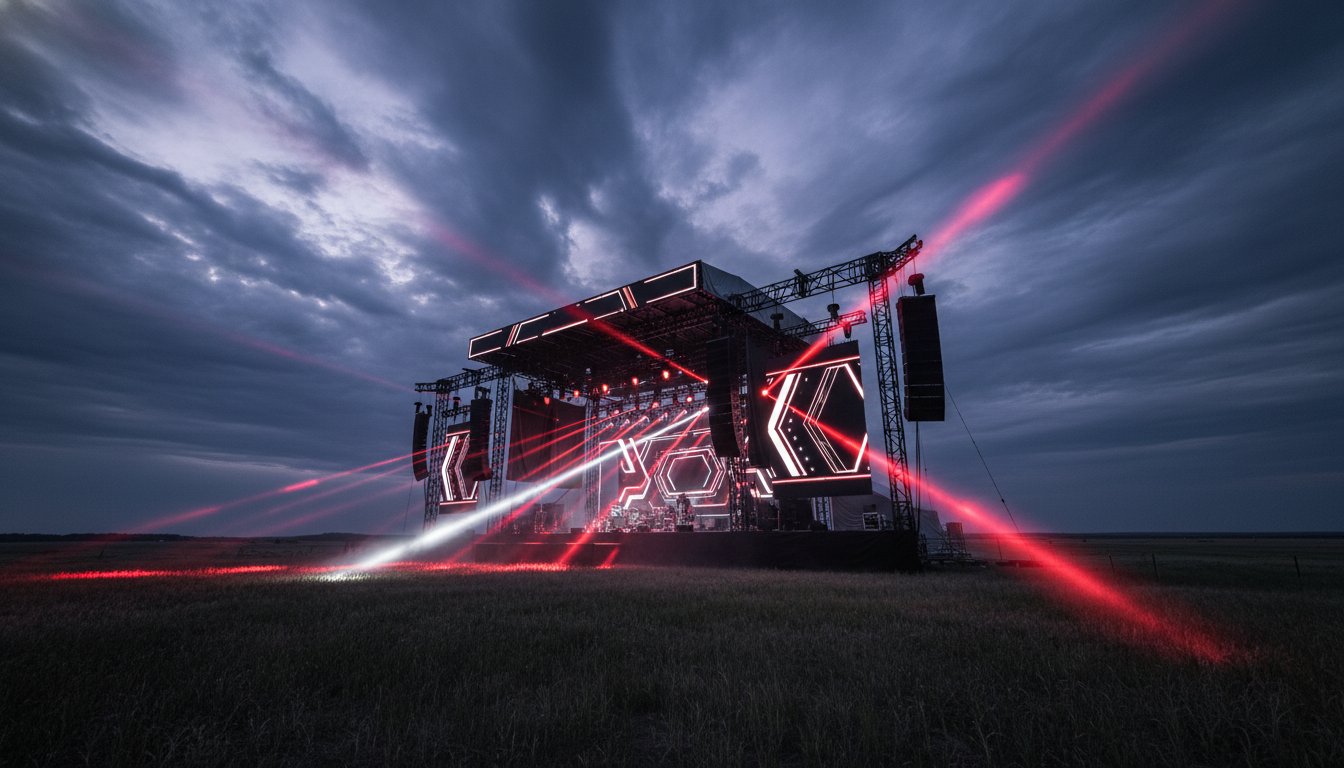
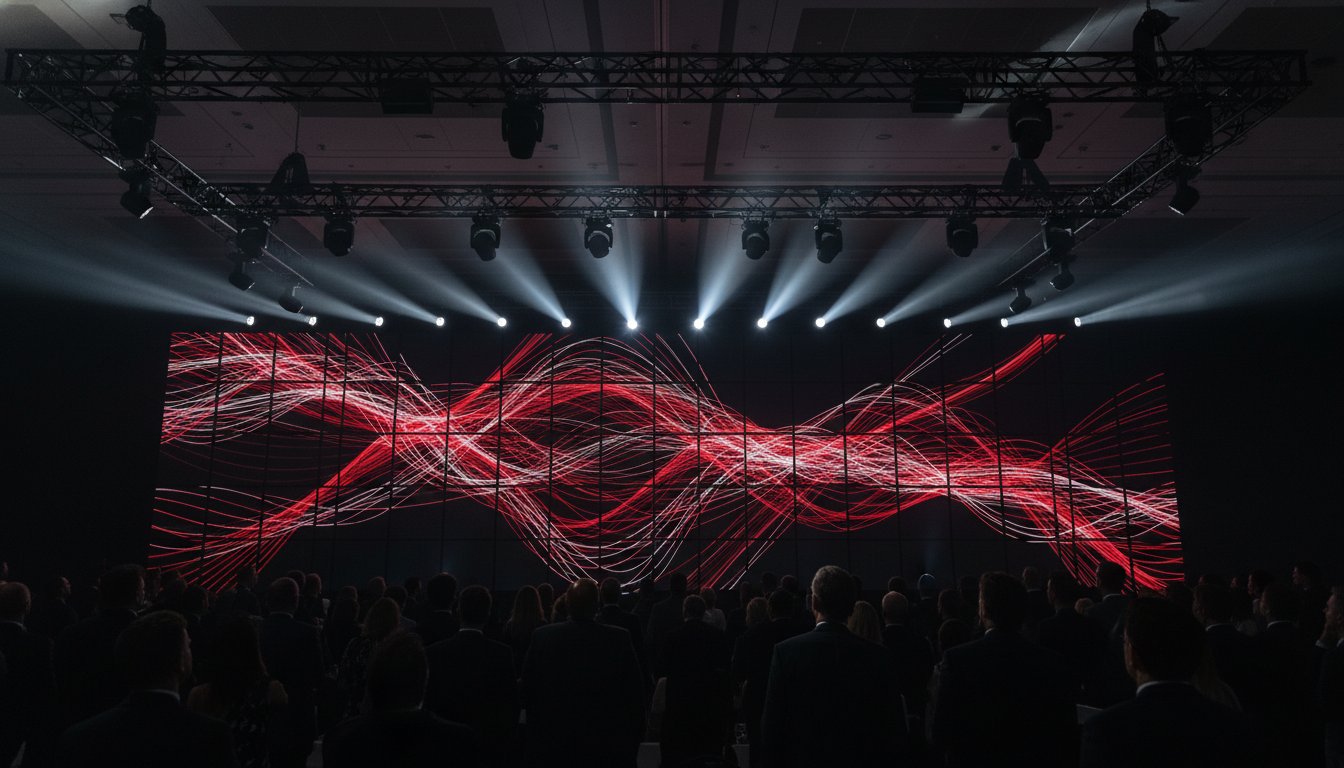
While software platforms facilitate the digital connection, the physical hardware defines the professional experience. When people ask what is a hybrid event, they often focus on the meeting app, but professional execution relies on high-grade infrastructure. High-resolution LED walls serve as a dynamic backdrop that looks as crisp on a smartphone screen as it does from the back of an auditorium. Unlike traditional projectors, LED panels offer the brightness and contrast needed to prevent visual washout when captured by high-definition cameras. This hardware ensures your branding remains vibrant for both the in-person crowd and the remote viewer.
Multi-camera production adds a cinematic layer that keeps virtual viewers engaged over long durations. Using various angles, such as wide shots of the stage and tight close-ups of the speaker, mimics the feel of a broadcast television program. This approach, combined with low-latency streaming infrastructure, ensures that real-time segments like Q&A sessions don't suffer from the awkward delay gap that kills momentum. When the technical foundation is solid, the transition between speakers and digital content feels instantaneous and intentional.
Visual Excellence: LED Walls and Lighting
LED walls outperform traditional projectors because they provide superior color accuracy and depth. This is vital for hybrid broadcasts where the digital audience sees a compressed version of the feed. To ensure video clarity, professional lighting for conferences is mandatory. You must manage stage aesthetics for two distinct "eyes": the human eye in the room and the camera lens. Proper backlighting and key lighting prevent speakers from appearing flat on screen, creating a professional look that justifies the investment in Audio Visual Production Services.
Audio Engineering for Two Audiences
Audio is arguably the most critical technical factor in any production. If the video fails, you have a podcast; if the audio fails, the event is over. Professional engineering requires independent audio mixes. The "front of house" mix for the physical room handles local acoustics, while the "stream mix" is optimized for listeners using headphones or laptop speakers. Utilizing professional audio systems is essential for attendee retention. Poor sound quality leads to virtual fatigue, causing remote guests to disconnect quickly.
Reducing echo and feedback is a major challenge in interactive hybrid environments. When a remote attendee speaks through the room's speakers, their voice must not loop back into the local microphones. This requires sophisticated echo cancellation and a steady hand at the mixing console. Beyond the technical specs, the Strategic Benefits of Hybrid Events are only realized when the technology fades into the background, allowing the content to take center stage. If you're planning a high-stakes meeting in Edmonton or Calgary, exploring Audio Visual Rentals with integrated technical support can alleviate the stress of dual-production management.
Strategic Benefits of Hybrid Events for Canadian Organizations
For organizations operating across the vast geography of Canada, the strategic advantages of integrated production are immense. When you look beyond the technical definition of what is a hybrid event, you see a powerful tool for regional and national growth. By bridging the gap between major hubs like Calgary and Toronto, businesses can consolidate their messaging without the massive overhead of multiple cross-country roadshows. This model allows a single high-production environment to serve as the anchor for a nationwide audience, ensuring brand consistency from coast to coast.
Sustainability has become a non-negotiable metric for many Canadian firms. Reducing the carbon footprint by minimizing unnecessary air travel for attendees in provinces like Saskatchewan or British Columbia aligns with modern corporate responsibility goals. This shift doesn't just help the environment; it significantly improves ROI. You save on venue size, catering, and physical logistics while simultaneously gathering real-time virtual engagement metrics that a traditional live event simply cannot provide. This guide to hybrid events highlights how wider reach and deeper data are transforming the industry landscape.
Expanding Your Reach Without Expanding Your Venue
Imagine hosting a high-stakes conference for 100 key stakeholders in Calgary while reaching 1,000 participants globally. This is the core strength of the hybrid model. It allows you to maintain the intimacy of an in-person gathering while scaling your impact exponentially. This scalability is particularly beneficial for growing trade shows that have outgrown local facilities but aren't ready for a massive venue upgrade. Furthermore, it allows you to attract international keynote speakers who might not have the time to travel to Western Canada but can easily join via a professional remote feed. Our team specializes in Calgary event production to make these complex connections seamless.
Data-Driven Insights and Attendee Analytics
One of the most overlooked aspects of what is a hybrid event is the wealth of data it generates. Unlike a standard live event where success is often measured by badge scans at the door, hybrid productions track virtual "dwell time" on specific sessions. You can see exactly which presentations held the audience's attention and which ones didn't. Interactive polls and live Q&A sessions gather immediate feedback from both audiences, providing a holistic view of attendee sentiment. This data allows you to quantify success with precision and refine your strategy for future productions. If you're ready to explore these capabilities, our Audio Visual Production Services provide the technical backbone needed to capture every metric.
The longevity of your content is another critical factor. High-quality recordings from your hybrid event can be repurposed for year-round marketing, training, or social media content. This ensures that the value of your initial investment continues to pay dividends long after the final session concludes. For organizations seeking a steady hand in these high-stakes environments, reaching out for technical support is the first step toward a successful execution.
Navigating Challenges: Overcoming the "Double Production" Hurdle
Planners often feel overwhelmed by the complexity of managing two distinct audiences. When you consider what is a hybrid event from a logistical standpoint, it's actually two productions running in parallel. This "double production" hurdle is where many organizers feel the most pressure. Avoiding the "second-class citizen" problem for remote attendees requires intentional design. They shouldn't just be watching a feed; they need to be integrated into the room's energy. If the remote audience feels like an afterthought, engagement levels will drop within minutes.
Technical redundancy is your insurance policy against high-stakes failure. We always prepare for internet or hardware issues by having backup lines and secondary equipment ready to go. Budgeting for these events requires a strategic eye. Invest heavily in high-quality capture and audio, but look for savings in physical decor that doesn't translate well to the camera. To stay organized, every planner should utilize a technical event production checklist to ensure no detail is overlooked during the build.
Engagement Strategies for Dual Audiences
Bridging the gap between in-person and digital participants requires more than just a chat box. A dedicated "Virtual Emcee" is essential to guide the remote experience. This person speaks directly to the camera, acknowledges the online audience, and facilitates networking between both groups. When it comes to interactive Q&A, professional moderators ensure that questions from the web are given equal weight to those from the floor. This creates a unified conversation that makes every participant feel valued, regardless of their physical location.
Managing Technical Complexity
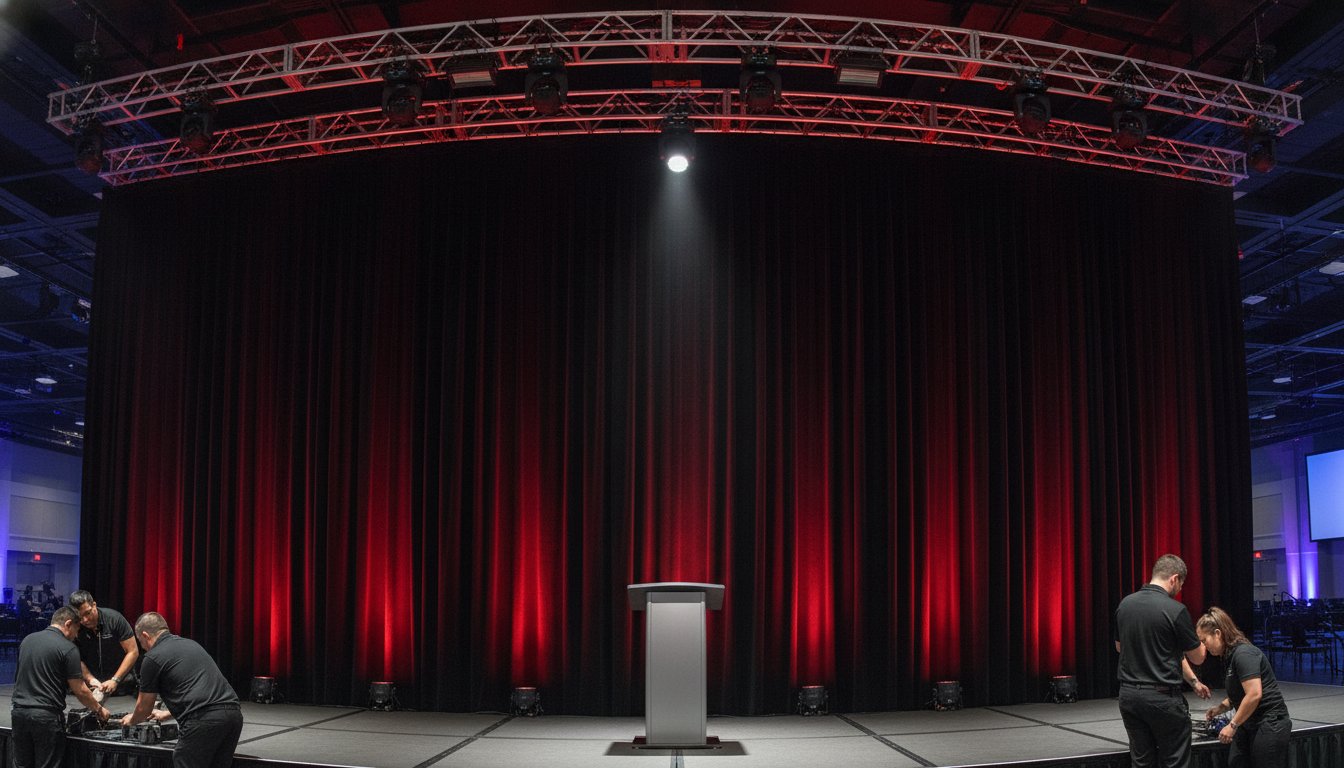
Ensuring bandwidth stability at the physical venue is the first step in a successful broadcast. Venues often promise "high-speed" internet that fails under the load of a professional stream. Professional event production management in Alberta requires local on-site experts who can verify infrastructure and manage the rehearsal process for two different "stages." You have the physical stage for the room and the digital stage for the screen. Each requires its own dedicated focus during soundchecks and lighting cues to ensure a flawless delivery.
The mastery of these technical details alleviates the stress of live broadcasting. If you're ready to secure a steady hand for your next production, consider how our Audio Visual Production Services can streamline your workflow. Whether you're hosting in Edmonton or Calgary, we provide the technical confidence needed to lead major projects. To get started with a customized technical plan, contact Northern Signal AV today.
Executing Your Hybrid Strategy with Northern Signal AV
Northern Signal AV Ltd. provides the technical foundation for organizations ready to move beyond the question of what is a hybrid event and into professional execution. Our comprehensive solutions span from Edmonton to Toronto, ensuring that your message reaches every attendee with clarity and impact. We specialize in state-of-the-art AV rentals purpose-built for the demands of high-stakes integrated environments. By managing the complex interplay of audio, visual, and streaming components, we alleviate the technical stress that often accompanies dual-audience productions. Our team focuses on mastery over every technical detail, from customized staging to the precision of high-resolution broadcasts.
A successful production requires a steady hand and elite equipment. We provide specialized LED walls and concert-grade audio systems that ensure your virtual feed is as immersive as the live experience. This level of Audio Visual Production Services transforms a standard meeting into a transformative event. We don't just provide equipment; we act as a professional partner throughout the entire lifecycle of your project. This includes everything from initial design to real-time troubleshooting during the live broadcast.
Why Local Expertise Matters
Navigating venue logistics in Calgary, Edmonton, and Red Deer requires a partner who understands the regional landscape. On-site technical support isn't just about plugging in cables. It's about knowing the specific bandwidth limitations and acoustic challenges of Western Canadian facilities. Working with a single partner for audio, visual, and streaming means you have one point of contact for every technical detail. This unified approach prevents the communication gaps that occur when multiple vendors try to sync disparate systems. Our regional pride stems from being the go-to expert for these territories, providing a localized reliability that national competitors often lack.
Getting Started: Your Path to a Flawless Hybrid Event
Your path to a successful production begins with an initial consultation. We define your specific goals and analyze the expected audience split between the room and the web. This stage is critical for understanding what is a hybrid event in the context of your unique brand requirements. We then conduct thorough technical site surveys and bandwidth testing to ensure the venue can handle the high-resolution broadcast. This proactive planning ensures that when the "live" light goes on, you can proceed with absolute confidence. Whether you require Calgary event production or a nationwide stream, our team is ready to lead. Contact Northern Signal AV Ltd. for your hybrid event consultation and let us handle the technical complexity while you focus on your audience.
Mastering the Future of Integrated Production
Success in the modern event landscape requires a shift in how we define what is a hybrid event. It's no longer a simple broadcast; it's a synchronized, dual-audience experience that demands technical precision. Professional execution relies on the technical pillars we've discussed, from high-resolution LED walls to concert-grade audio systems that bridge the digital divide. When you prioritize these standards, you eliminate the technical anxiety that often clouds ambitious productions.
Northern Signal AV provides the steady hand needed to navigate these high-stakes environments. We offer expert production management for both hybrid and live settings, backed by an elite inventory of visual displays and audio systems. Our team serves Edmonton, Calgary, Red Deer, Saskatchewan, and Ontario with localized reliability that ensures your project stays on track. Partner with Northern Signal AV for Professional Hybrid Production and secure the technical confidence your next event deserves. Your vision is ready for the big stage; let's make sure everyone has a front-row seat.
Frequently Asked Questions
Is a hybrid event just a livestream of an in-person meeting?
No, a hybrid event is a synchronized experience that integrates both physical and virtual audiences through two-way interaction. While a livestream is often a one-way broadcast, the modern standard for what is a hybrid event requires active engagement from both groups. This includes shared Q&A sessions, live polling, and digital networking that makes remote viewers feel like they are truly in the room rather than just watching from the sidelines.
What is the most important piece of equipment for a hybrid event?
Professional audio systems are the most critical component of any integrated production. If your video feed lags, your audience might stay; if your audio fails or echoes, they will disconnect immediately. High-quality microphones, independent audio mixes for the room and the stream, and sophisticated echo cancellation are essential to maintain a professional atmosphere and ensure every word is captured clearly for both audiences.
Are hybrid events more expensive than traditional in-person events?
Hybrid events typically require a larger technical budget because you are essentially managing two productions simultaneously. You must account for on-site logistics and the digital broadcast infrastructure. However, many Canadian organizations find the ROI is significantly higher because the virtual component expands your reach far beyond the physical capacity of a venue in Calgary or Edmonton without increasing catering or travel costs for those remote guests.
How do you keep remote attendees engaged during a hybrid event?
Engagement relies on treating the remote audience as a priority rather than an afterthought. Using a dedicated virtual emcee to speak directly to the camera helps bridge the gap between the stage and the screen. Additionally, incorporating interactive tools like real-time polling and cinematic multi-camera angles prevents virtual fatigue. This keeps viewers focused on the content rather than just watching a static feed of a distant stage.
What internet speed is required for a professional hybrid event stream?
A professional stream requires a dedicated, hardwired connection with a minimum upload speed of 10 to 20 Mbps. You shouldn't rely on shared venue Wi-Fi, as fluctuations in traffic can cause the broadcast to drop or lag. We always recommend a technical site survey to test the upload speed specifically, ensuring it can handle a high-resolution 1080p or 4K feed without interruption throughout the entire broadcast.
Can any venue host a hybrid event, or are special facilities needed?
Most venues can host these events, but their internal infrastructure often dictates the level of additional support needed. A successful production depends on reliable power circuits and sufficient bandwidth. If a venue lacks these, we bring in mobile technical support and independent networking hardware. It's vital to verify these facilities early to avoid last-minute technical hurdles during the setup phase of your production.
How far in advance should I start planning a hybrid event?
You should ideally start planning your hybrid production three to six months in advance. This timeline allows for thorough technical site surveys, bandwidth testing, and the coordination of two distinct audience experiences. Early planning also ensures you can secure the necessary production management teams and audio visual equipment, which are often booked well ahead of time in major Canadian markets like Toronto and Vancouver.