A cheap stage rental is only a bargain until the first gust of Alberta wind hits your outdoor festival. While it's tempting to focus solely on the bottom line, the real value of a hydraulic mobile stage lies in its ability to withstand unpredictable prairie weather and deploy in a fraction of the time required for modular decks. You likely already know that wondering how much to rent a mobile stage often leads to more questions than answers; quotes can vary wildly depending on whether you're looking at a basic platform or a full festival rig with integrated roof systems.
It's frustrating to manage tight event budgets when delivery fees and labor costs feel like moving targets. We've designed this guide to provide a clear understanding of what influences 2026 pricing and the logistics of operating in Alberta and Saskatchewan. You'll discover a comprehensive checklist for technical requirements, including engineering sign-offs and safety permits, to ensure your next event is both professional and compliant. By the end of this article, you'll have the mastery needed to secure a safe, high-impact stage that serves as the perfect foundation for your production.
Key Takeaways
- Understand how the rapid deployment of hydraulic systems reduces labor costs compared to traditional modular scaffolding.
- Determine how much to rent a mobile stage by evaluating the specific price tiers for small community stages versus mid-size concert rigs.
- Prepare for regional logistics costs such as trucking mileage and mandatory technician fees specific to Alberta and Saskatchewan.
- Prioritize event safety by verifying wind ratings and ensuring all on-site personnel are manufacturer-certified for the equipment.
- Learn the critical questions to ask regarding specialized liability insurance to protect your organization and your audience.
What Defines a Mobile Stage and How Does It Impact Cost?
A mobile stage is a specialized, trailer-mounted unit designed to unfold into a professional performance environment using hydraulic or manual systems. Unlike traditional platforms, these units are self-contained. They arrive as a single vehicle and transform into a structural masterpiece in a fraction of the time required for manual builds. When you begin researching how much to rent a mobile stage, it's essential to recognize that you aren't just paying for a floor. You're investing in a sophisticated piece of engineering that integrates the deck, the roof, and the rigging points into one cohesive system.
At its most basic level, understanding what is a stage helps define the space, but a mobile unit adds the layer of rapid deployment. In 2026, event planners across Alberta and Saskatchewan favor these units because they eliminate the need for massive setup crews. Efficiency is the primary cost driver here. While a modular stage might take a full day and ten technicians to assemble, a mobile unit can be ready for soundcheck in just a few hours. This speed reduces on-site labor expenses and allows for tighter event schedules, which is a massive advantage for multi-day festivals or corporate gatherings with limited venue access.
Mobile vs. Modular: Which is Right for Your Budget?
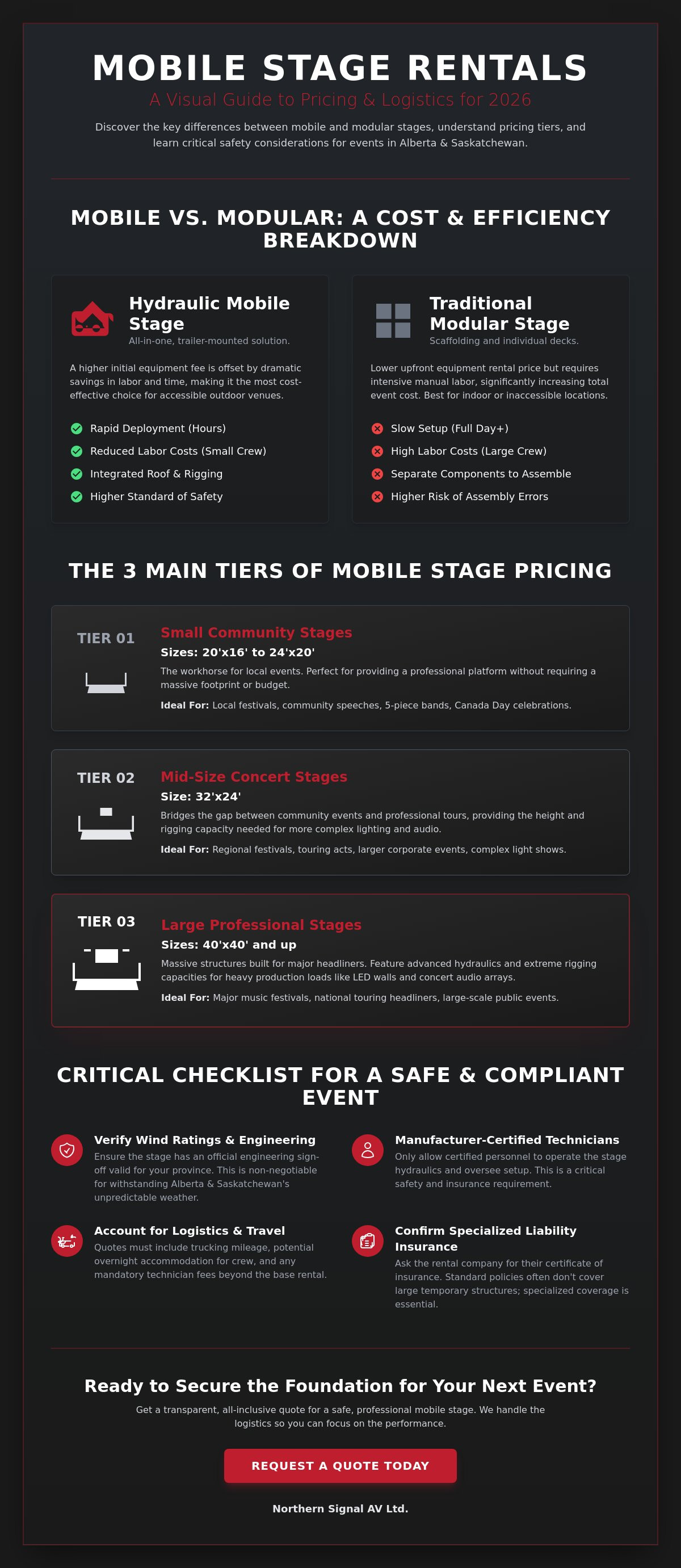
Modular stages consist of individual decks and scaffolding. They offer a lower equipment rental price but demand high labor costs due to the intensive manual assembly required. Mobile stages represent a higher initial equipment investment, yet they drastically lower the total invoice by minimizing technician hours. If your venue allows for trailer access, a mobile stage is almost always the more cost-effective solution for outdoor events. You save on time, reduce the risk of assembly errors, and ensure a higher standard of safety. Modular remains the go-to choice only for indoor venues or tight spaces where a trailer cannot navigate.
The Anatomy of a Professional Stage Rental
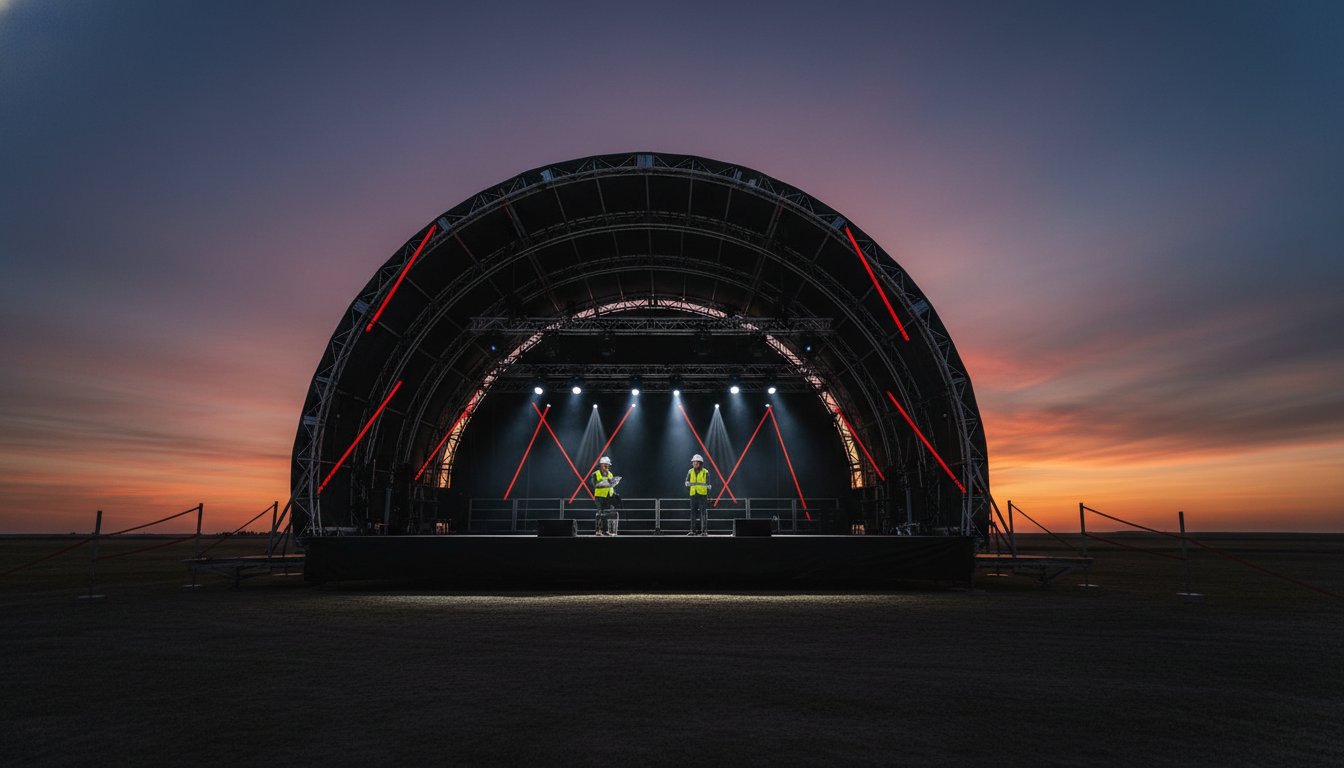
A professional mobile stage rental is defined by its structural integrity. The roof system is particularly critical; it's a load-bearing structure capable of supporting heavy lighting rigs and concert audio arrays. High-quality units feature weather-resistant decking that maintains its grip even in the damp conditions often found during prairie summers. When evaluating how much to rent a mobile stage, look for these integrated features:
- Rigging Capacity: The ability to hang thousands of pounds of gear safely from the roof.
- Integrated Safety: Built-in guardrails, stairs, and wind-resistant backdrops that meet provincial safety codes.
- Leveling Systems: Precision hydraulics that ensure a flat performance surface on uneven grass or gravel.
These components are usually bundled into the mobile rental price, providing a transparent look at your production costs from the start. By choosing a mobile unit, you secure a reliable foundation that allows your creative vision to take center stage without the stress of complex, manual construction.
The 3 Main Tiers of Mobile Stage Rental Pricing
Understanding how much to rent a mobile stage requires looking beyond the square footage of the deck. Pricing is typically structured into three distinct tiers based on size, engineering complexity, and weight-bearing capacity. These tiers help event planners align their technical needs with their budget while ensuring the structure can safely support their production gear. While floor space is the most visible difference, the real cost drivers are the rigging limits and the speed of the hydraulic deployment system.
- Tier 1: Small Community Stages (20' x 16' to 24' x 20'): These are the workhorses of local festivals, community speeches, and small-town Canada Day celebrations. They offer enough room for a five-piece band or a panel of speakers without requiring a massive footprint.
- Tier 2: Mid-Size Concert Stages (32' x 24'): Designed for regional festivals and touring acts, these stages provide the height and depth needed for more complex lighting setups. They bridge the gap between community events and professional concert tours.
- Tier 3: Large Professional Stages (40' x 40' and up): These massive structures are built for major headliners and high-resolution LED walls. They feature advanced hydraulic systems and extreme rigging capacities to handle heavy production loads.
Several factors can shift a quote from one tier to the next. Specialized rigging requirements, such as hanging heavy line arrays or massive video screens, often necessitate moving to a larger stage even if the performer count is low. If you're unsure which tier fits your vision, consulting with a team that offers professional production management can help clarify your requirements before the first invoice arrives.
Small Stage Logistics: The Entry-Level Option
Entry-level stages are ideal for corporate announcements or small outdoor gatherings. Because these units are compact, they can often navigate into tighter spaces like city parks or parking lots. Setup time is efficient; a small, experienced crew can usually have the stage ready in under two hours. These rentals typically include the essential safety features like basic stairs, skirting, and a manual or semi-hydraulic roof system. It's a streamlined solution for those who need a professional look without the complexity of a full-scale festival rig.
Large-Scale Production: Concert and Festival Staging
When moving into Tier 2 and Tier 3, hydraulic systems become the standard. This 'push-button' deployment is a premium feature that significantly reduces on-site labor and setup time. The rigging capacity is the true star here. These roofs are engineered to support thousands of pounds of concert audio systems and lighting fixtures safely above the performers. Additionally, large-scale stages offer integrated branding opportunities. Mesh wings and banner points allow sponsors to display logos prominently, which can help offset the cost of the rental through sponsorship revenue.
Logistics and Hidden Costs: Beyond the Rental Fee
When you calculate how much to rent a mobile stage, the base equipment fee is only the first piece of the puzzle. In the vast geography of Alberta and Saskatchewan, trucking and mileage represent a significant portion of the final invoice. Because these units are heavy, specialized transport is required; the distance from the equipment warehouse to your site in Regina or Red Deer directly impacts the logistics budget. You aren't just paying for the stage; you're paying for the specialized vehicle and fuel required to deliver it safely to your coordinates.
Professional safety is non-negotiable. Understanding how much to rent a mobile stage also requires accounting for the certified 'Stage Lead' who must oversee the deployment. This fee ensures that the hydraulic systems are operated correctly and that the structure remains secure against the high wind ratings common in the prairies. Additionally, many municipalities now require a professional engineer's (P.Eng) stamp for temporary facility permits. This documentation proves the stage can handle the intended load and environmental stressors, preventing costly shutdowns by city inspectors. Site preparation is equally vital; technicians must assess ground conditions to ensure the hydraulic leveling jacks have a stable, compacted surface to prevent shifting during the performance.
The AV Integration Factor
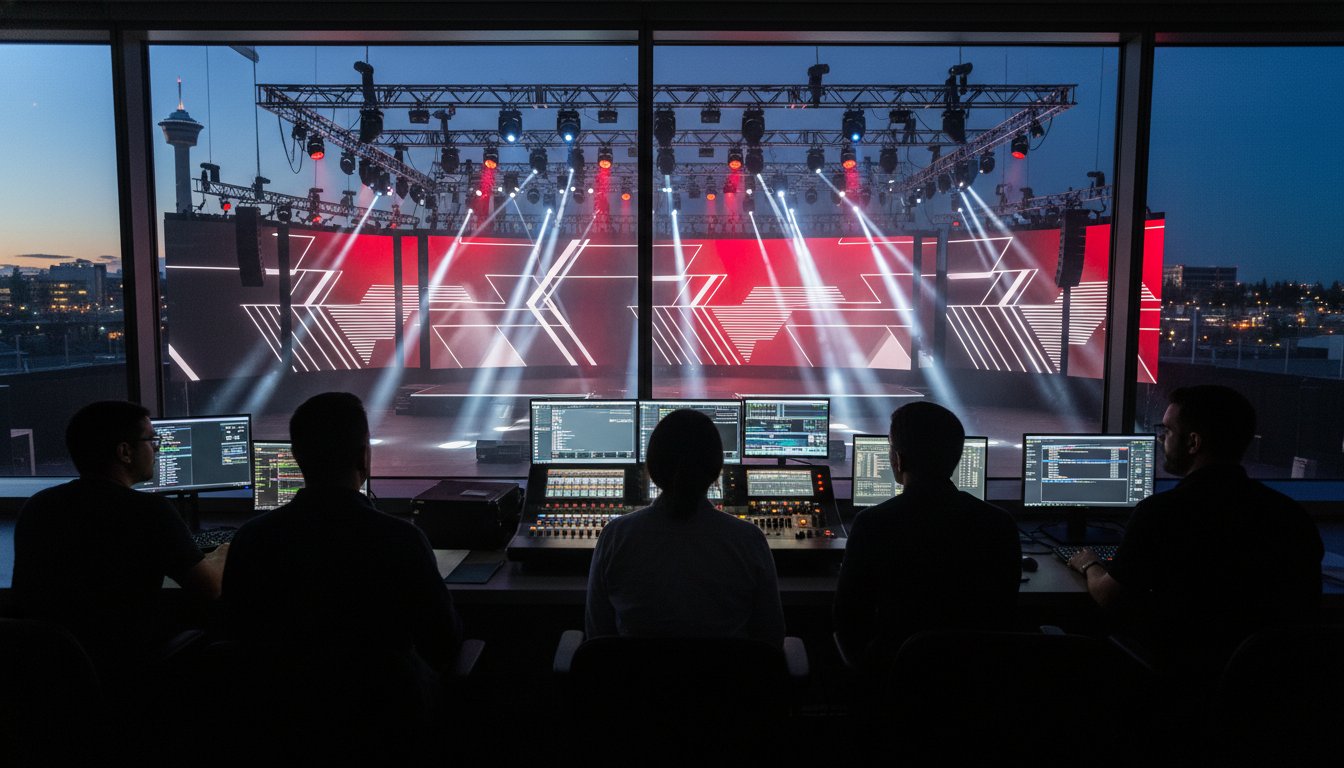
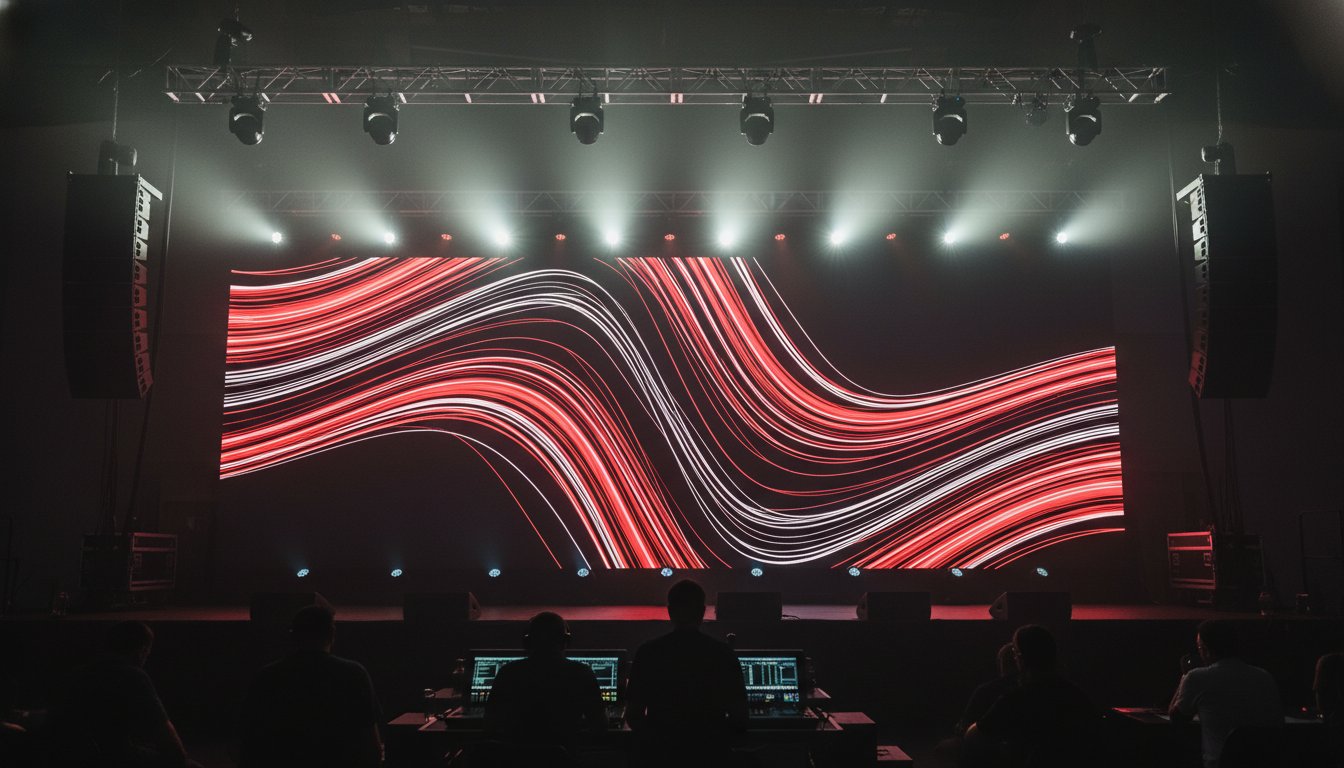
The physical size of your stage dictates your broader audio-visual rentals strategy. A larger deck requires more powerful sound coverage and expansive lighting rigs to fill the space effectively. You must also consider power requirements; while the hydraulics might run on a battery or small motor, your production gear will likely need a dedicated, whisper-quiet generator. If your vision includes a high-impact LED wall, you need to plan for specific rigging points within the stage structure. These screens add significant weight and wind resistance, so coordinating the screen placement with the stage's load-bearing capacity is a critical step in the pre-production phase.
Labor and Setup Schedules
Timing can be as expensive as the equipment itself. Planning your event dates to avoid holiday surcharges or midnight overtime rates for the crew is a simple way to protect your budget. You should also decide between a 'night-of' strike or a next-day pickup. While a next-day strike might save on labor rates, it may incur additional venue rental fees or security costs. We define load-in efficiency as the strategic coordination of crew and equipment to minimize on-site hours, serving as the primary way to reduce event overhead. By streamlining the transition from the truck to the performance-ready state, you ensure that every dollar spent on labor translates directly into production value.
Regional Considerations: Renting Stages in Alberta and Saskatchewan
Operating in Western Canada requires a specific level of technical mastery. The prairies aren't just scenic; they're high-wind environments that demand rigorous safety standards. When you ask how much to rent a mobile stage in this region, the answer is often tied to the engineering required to withstand 60 to 90 mph gusts. Unlike more temperate climates, Alberta and Saskatchewan see sudden weather shifts that can turn a calm afternoon into a high-stakes safety situation. Professional vendors prioritize structures with high wind ratings to ensure the show goes on safely, regardless of the forecast.
Seasonality also plays a massive role in availability and logistics. July is the peak of the festival season, where demand for mobile units is at its absolute highest. Planning a summer festival in Edmonton or Calgary often requires booking equipment 6 to 12 months in advance. By contrast, a September corporate event in Saskatoon might offer more flexibility, though the focus often shifts toward indoor-compatible staging. Ground surface is another critical variable. Setting up on asphalt is straightforward, but grass sites require additional time for leveling and often necessitate heavy ballast to secure the structure against uplift.
Weather Resilience in the Prairies
Ballast is the unsung hero of outdoor staging. Whether using water barrels or concrete blocks, securing the structure is essential for stability. High-quality mobile stages feature integrated side-walls and backdrops that do more than just block the wind; they provide vital rain protection for your event lighting and sensitive audio gear. If conditions exceed safe operating limits, the Stage Lead has the ultimate authority to trigger emergency protocols. This may include lowering the roof to a safe height to reduce wind resistance, protecting both the equipment and the people on site.
Booking Lead Times
The 'Summer Rush' is a reality for every event planner in Alberta. To secure the right unit for a major holiday or festival weekend, early action is mandatory. If you're in the early stages of a large-scale project, see our Music Festival Stage Rental Alberta guide for deeper planning insights. Understanding these regional nuances helps you determine how much to rent a mobile stage for your specific location while avoiding the stress of last-minute equipment shortages. For those managing indoor corporate gatherings, the need for professional technical support remains constant to ensure a seamless presentation.
How to Vet a Stage Rental Company for Safety and Value
Vetting a production partner goes far beyond comparing the numbers on an initial quote. When you investigate how much to rent a mobile stage, you're actually evaluating the reliability of the structure and the competence of the team behind it. Start by verifying specialized liability insurance. Standard general liability policies often exclude coverage for temporary structures or high-wind environments. You should also demand proof of manufacturer-specific certification. If a company utilizes Stageline units, their technicians must be trained directly by the manufacturer to ensure the hydraulic systems are deployed according to strict engineering protocols.
Don't settle for a 'drop and go' service that leaves you responsible for the structure once it's unfolded. A professional partner provides ongoing technical support throughout the duration of your event. This includes a dedicated Stage Lead who stays on-site to monitor weather conditions and manage the structural integrity of the rig. Review their portfolio for setups in similar regional climates. A company that has successfully managed outdoor festivals in the high-wind corridors of Southern Alberta or the open plains of Saskatchewan demonstrates the mastery required to protect your performers and your audience.
The Importance of a Full-Service Partner
Bundling your stage, audio, and lighting with a single provider significantly reduces total cost and eliminates communication gaps between different vendors. When one elite team handles the entire technical footprint, production management becomes a streamlined process rather than a logistical headache. This integrated approach ensures that the rigging points on the stage roof perfectly match the requirements of the sound and light arrays. If you're ready to discuss your specific needs for an upcoming project, Contact Northern Signal AV Ltd. for a comprehensive quote.
Questions to Ask Before Signing
Before signing any contract, clarify if delivery, leveling, and setup are included as a transparent line item. Ask for the maximum wind load rating for the specific roof system provided; this data is critical for your on-site emergency action plan. You should also confirm the weight limits for the integrated rigging points to ensure they can handle your planned visual displays. We define turnkey staging as the best way to ensure event safety and quality, as it places the burden of technical precision on the experts rather than the event organizer. Knowing how much to rent a mobile stage involves understanding these safety-critical details so your budget reflects a secure, professional environment.
Secure a Professional Foundation for Your 2026 Event
Success in the high-stakes environment of outdoor production depends on a stable foundation. By prioritizing hydraulic efficiency and regional wind ratings, you protect your budget and your audience from the unpredictable prairie elements. Mastering the logistics of how much to rent a mobile stage allows you to move beyond simple equipment lists and focus on creating a transformative experience. Whether you're planning a community festival or a large-scale concert, the right stage partner ensures every technical detail is resolved with precision.
Since 2018, we've served Edmonton, Calgary, and the surrounding regions with elite technical confidence. Our certified stage technicians and full-service AV and lighting integration provide the steady hand needed for complex productions. Don't leave your event's safety to chance or unvetted providers. Get a Custom Mobile Stage Quote for Your Next Alberta Event and take the first step toward a seamless, professional delivery. We look forward to helping you elevate your next performance.
Frequently Asked Questions
How much does it typically cost to rent a mobile stage for a one-day event?
Rental costs for a one-day event depend on several variables including stage size, travel distance, and labor requirements. A professional quote usually includes the equipment rental, trucking, and a certified technician to manage the setup. Because every site in Alberta or Saskatchewan has unique leveling needs, we recommend requesting a detailed breakdown to see how much to rent a mobile stage for your specific location.
Do mobile stages come with a roof, or is that extra?
Professional mobile stages are self-contained units where the roof is an integrated part of the structure. The roof serves as the primary rigging point for audio and lighting gear. Unlike modular stages where a roof is a separate scaffolding build, a mobile stage unfolds its roof hydraulically as part of the standard setup process. This integration ensures a higher safety rating and faster deployment times.
How much space is required for a mobile stage trailer to park and deploy?
Calculating how much to rent a mobile stage involves assessing the physical site requirements for a semi-truck and trailer. A mobile stage typically needs a footprint roughly double the size of the final deck to account for the truck's turning radius. For a standard 24' x 20' stage, you should plan for a deployment zone of at least 50' x 40' on level ground. This ensures the technician can safely position the trailer and extend the outriggers.
Are stairs and railings included in the base rental price?
Standard safety components like stairs, guardrails, and skirting are almost always included in the base rental package. These are essential for meeting provincial safety codes in Alberta and Saskatchewan. Some configurations might offer additional sets of stairs or specialized ADA-compliant ramps as add-on options. You should always confirm that these items are listed in your quote to ensure your event remains compliant with local regulations.
Can a mobile stage support the weight of a large LED video wall?
High-end mobile stages are engineered with significant rigging capacity to support heavy production gear like an LED wall. However, the specific weight limit depends on the model and the wind resistance created by the screen. You must coordinate the screen's weight and dimensions with the Stage Lead. This ensures the roof's load-bearing points are not exceeded and the structure remains stable during the performance.
What happens if it gets too windy during my outdoor event?
The on-site Stage Lead monitors wind speeds and follows a strict emergency action plan if gusts exceed the structure's safety rating. In the event of high winds, the technician may require the removal of mesh banners or the lowering of the roof to protect the equipment and the crowd. This is a standard safety protocol for all outdoor events in the windy prairie regions to prevent structural failure.
Do I need to provide a generator for the stage hydraulics?
Most mobile stages are equipped with self-contained power systems, such as a gas engine or battery-powered pump, to operate the hydraulics. You don't typically need to provide an external generator just to set up the stage. However, you will need a dedicated power source for your audio, lighting, and video production gear once the stage is fully deployed. We can help coordinate the appropriate power distribution for your entire technical rig.
How far in advance should I book a mobile stage in Alberta?
We recommend booking your mobile stage at least 6 to 12 months in advance for events during the peak summer festival season. Demand in Alberta and Saskatchewan is extremely high for long weekends and community holidays. Securing your unit early ensures you have the necessary lead time to finalize engineering permits and coordinate with your production team. Early booking also helps you lock in your preferred dates before the summer rush begins.